Reflection on Guidance, Healing, and the Human Journey
I recently came across this article in Time:

5 phrases that drive therapists up a wall
BY ANGELA HAUPT
A therapist’s job is to listen—but not all words are music to their ears. Some indicate that clients aren’t taking the process seriously; others reveal misunderstandings that need to be clarified or deep-rooted beliefs that should be corrected. We asked a handful of therapists which phrases drive them up a wall and why.
THE ARTICLE
1. “I don’t want to take up too much time.”
Apologizing for being in therapy just wastes precious time, says Lauren Auer, a therapist in Peoria, Ill. “It’s literally my job,” she says. Yet she ends up needing to devote part of the session to convincing her clients they deserve to be there. There may be underlying beliefs about worthiness at play: “A lot of times, it’s rooted in what they’ve learned about taking up space or being too much,” Auer says. She often responds gently: “Let’s talk about that. What I’m hearing from you is …”
2. “Sorry for crying.”
Uttering these words “is like apologizing for breathing in my office,” Auer says, yet she hears them daily. She typically reminds clients that “crying is actually really healthy, and it means they’re feeling safe enough to—
3. “What should I do?”
It’s a common question for people who want guidance. But therapists “have absolutely no idea—and we’re not supposed to know what you should do,” says Nicole Herway, a therapist in Murray, Utah. “We’re here to empower you to make decisions for yourself, to try things and fail, and to learn and to grow.” A better way of phrasing things, Herway adds, is to ask: “Can you help me consider some options?”
4. “Therapy has never worked for me.”
Clients often ask Lisa Shows to make guarantees about outcomes. They might add that therapy has never worked before—so why would it now? “They’re trying to hook me into saying ‘Well, this therapy will work for you,’” says Shows. “I want to instill hope. But at the same time, I can’t promise this is the thing that’s suddenly helpful.” She emphasizes that therapy is a collaborative relationship requiring engagement from both sides.
5. “I’m just going to take this call real quick.”
Shows says clients often check their phones or take nonemergency calls during sessions. She urges people to silence their devices so they can focus and “do something a little different than we do the rest of our lives.”
What these therapists get right – and wrong.
Some of these observations are compassionate and reassuring. Others miss the mark entirely.
And a couple reveal why so many people walk away from therapy confused, hurt, or worse.
The Phone Example: A Boundary Problem, Not a Client Problem
If clients are constantly checking phones, that’s poor boundary-setting—not a character flaw.
A healthy therapeutic container requires structure, clarity, and safety.
If the therapist doesn’t set that?
That’s on them.
The Two Middle Examples Are the Most Revealing
These two caught my attention:
- “What should I do?”
- “Therapy has never worked for me.”
The comments made around them—especially this one—are alarming:
“We have absolutely no idea—and we’re not supposed to know what you should do.”
This sentence alone encapsulates why many people (myself included) have held profoundly low opinions of therapy. It can come across as distant, evasive, and oddly proud of being unhelpful.
Good therapy doesn’t dictate.
But good therapy absolutely guides.
WHAT GOOD THERAPY ACTUALLY DOES
Part of healing is learning about the therapy and the map: how identity, emotions, wounds, relationships, and spirituality all connect.
Good therapy guides you through specific terrain:
Identity
- Are you comfortable with your emotions?
- Are you secure in who you are—including your God-identity?
- And, with this, guidance. The Book: Life of the Beloved, by Henri Nouwen

Relationships
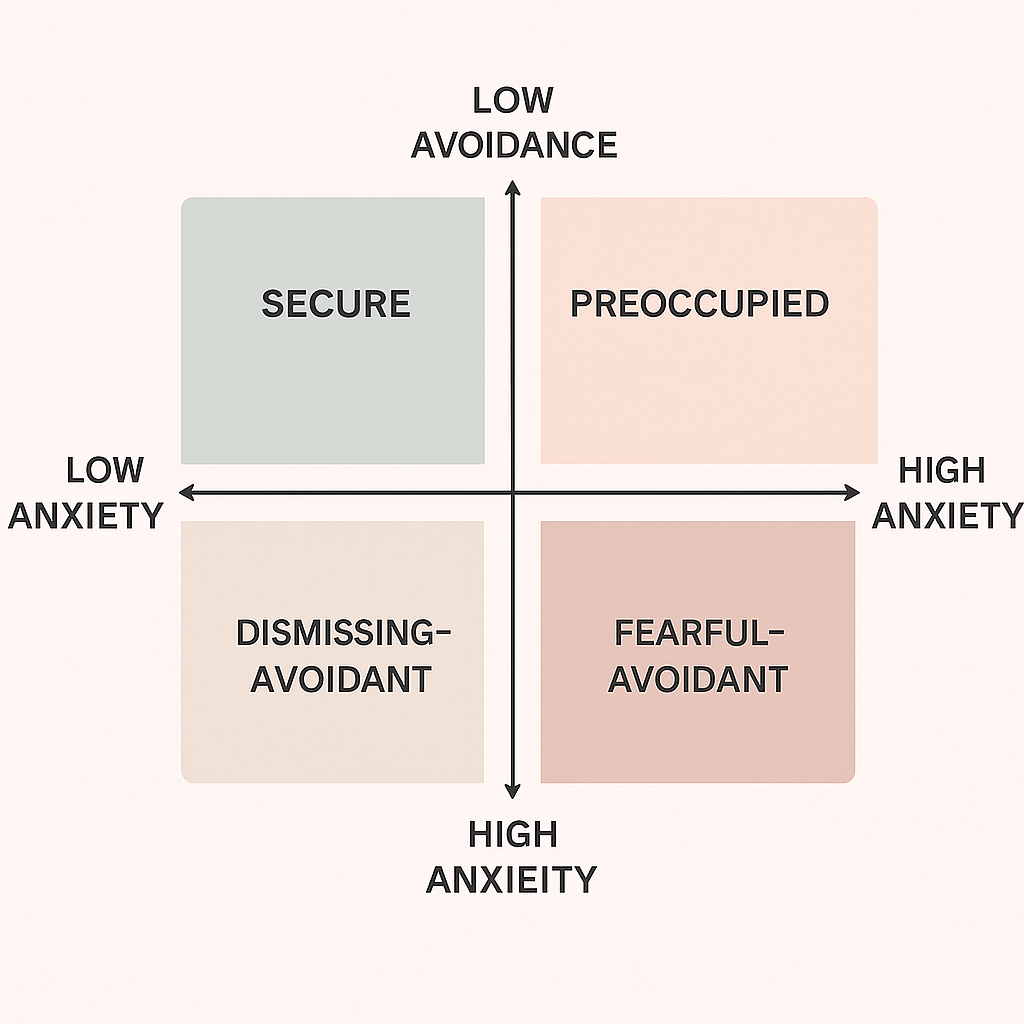
- Do you form secure bonds, or do attachment wounds dominate your life?
- And with this guidance – an attachment style test: https://openpsychometrics.org/tests/ECR.php?utm_source=chatgpt.com
Internal World
- What are your triggers?
- Do those triggers point to deeper injuries, to traumas?
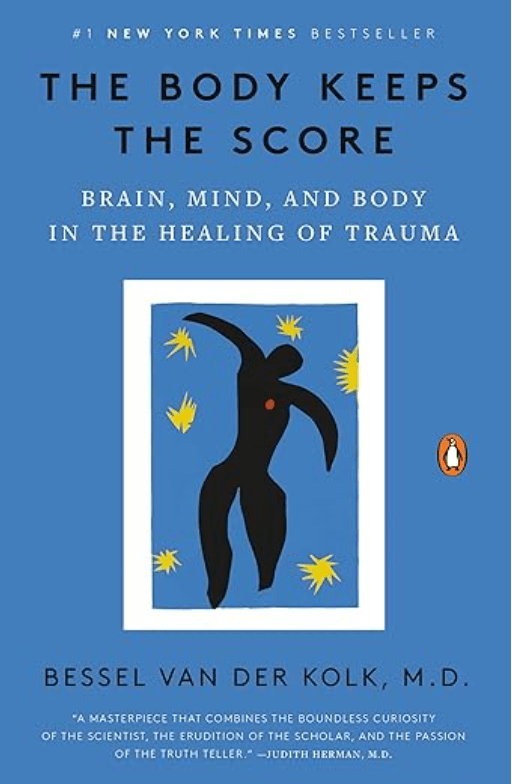
- Guidance – Book: The Body Keeps the Score: Brain, Mind, and Body in the Healing of Trauma, by Bessel van der Kolk
Integration
- Can you connect your internal world to your family, community, nation, and the world around you?
- Guidance book: Peoplemaking by Virginia Satir

Parts of Yourself
- Can you identify the parts of your psyche?
- Do you know where your God-part is?
- Is it buried, ignored, or alive?
- Guidance book: Altogether You: Experiencing personal and spiritual transformation with Internal Family Systems therapy, by Jenna Riemersma

Healing and Vision
- Have you healed the parts that cause chaos?
- Can you reflect on yourself, the cosmos, and God—and form a vision for your life?
- For healing, IFS (Internal Family Systems) has a healing process as part of the therapy itself.
For Vision, I am still searching – this is where I feel I must let my faith be my guide – as I believe God sets the vision as “creator” and it is up to me to find my place within God’s much bigger vision for the cosmos, our world, and for me. The one thing I do know, firmly, is that the essence of God is love. And therefore my vision must start with how do I follow the quadripartite love God envisons:
- Love God
- Love myself
- Love my neighbors, including those I may consider my enemies.
- Love the world, our creation.
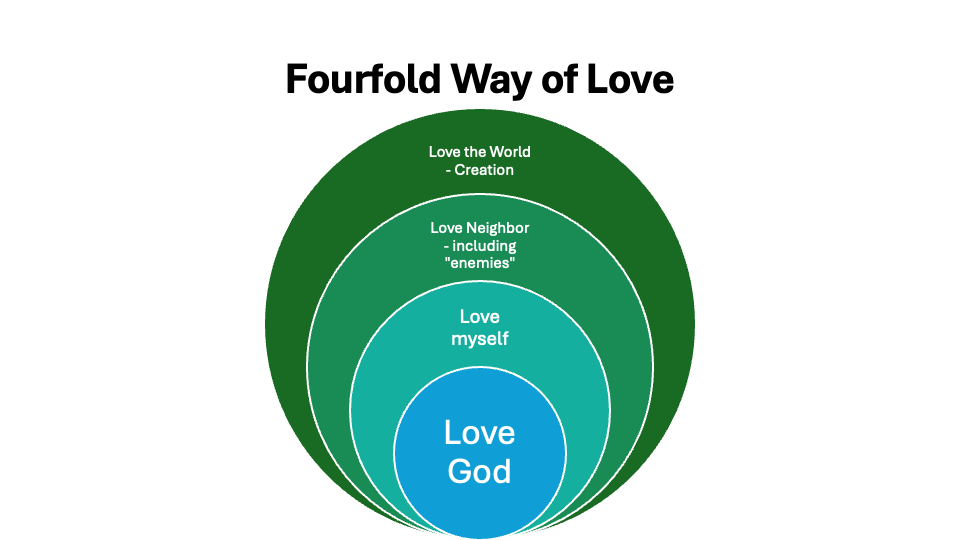
These are the waypoints on the journey.
Good therapy helps you notice them.
Bad therapy leaves you wandering in circles.
GOOD THERAPY VS. BAD THERAPY
Good Therapy (Integration):
- Has direction
- Reveals deeper patterns
- Helps you heal
- Connects identity → relationships → community → God
- Moves you toward coherence, wholeness, and vision
Bad Therapy (Fragmentation):
- Wanders aimlessly
- Feels circular
- Creates dependence
- Avoids depth
- Leaves you unchanged—all while the therapist feels oddly self-satisfied
Good therapy is a journey with landmarks.
Bad therapy is a cul-de-sac.
Closing Thoughts
Therapy, at its best, is sacred work. It helps a person reclaim identity, heal wounds, integrate parts, and rediscover their God-part. It is guidance, not games; clarity, not confusion.
The article reminded me how easy it is for therapy to miss its calling—and how life-changing it is when therapy actually lives up to it.
 SeePhas