


Season One – the Meta-Narrative
The Meta-Narrative
It was a formative season.
I entered carrying spiritual injury I did not yet have language for. Learning to see the larger story became part of the healing.
In the early stages of seminary, through deeper engagement with Scripture as a coherent narrative—and shaped by Neo-Anabaptist traditions—I encountered not just a different story, but a way of evaluating the stories I had inherited.
I learned to locate individual texts within their wider context.
And that context matters.
That doctrines, experiences, and convictions belong within a broader arc—and that they must be questioned when they distort that arc.
Learning to process faith this way—alongside the traumas embedded within it—did not cost me my faith.
It saved it.
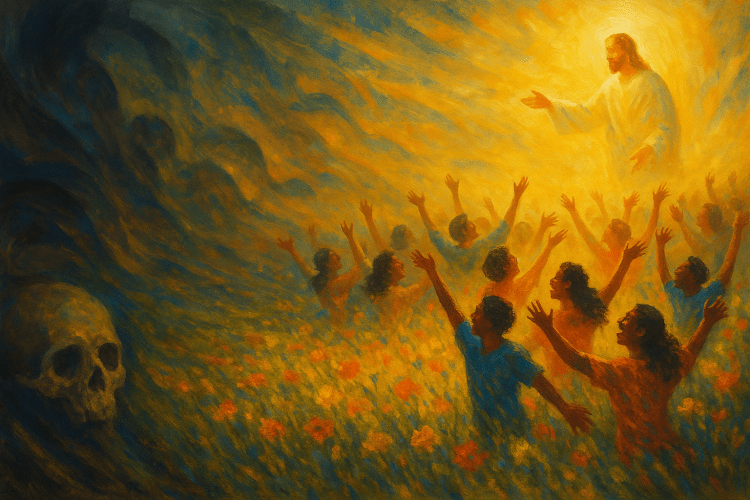
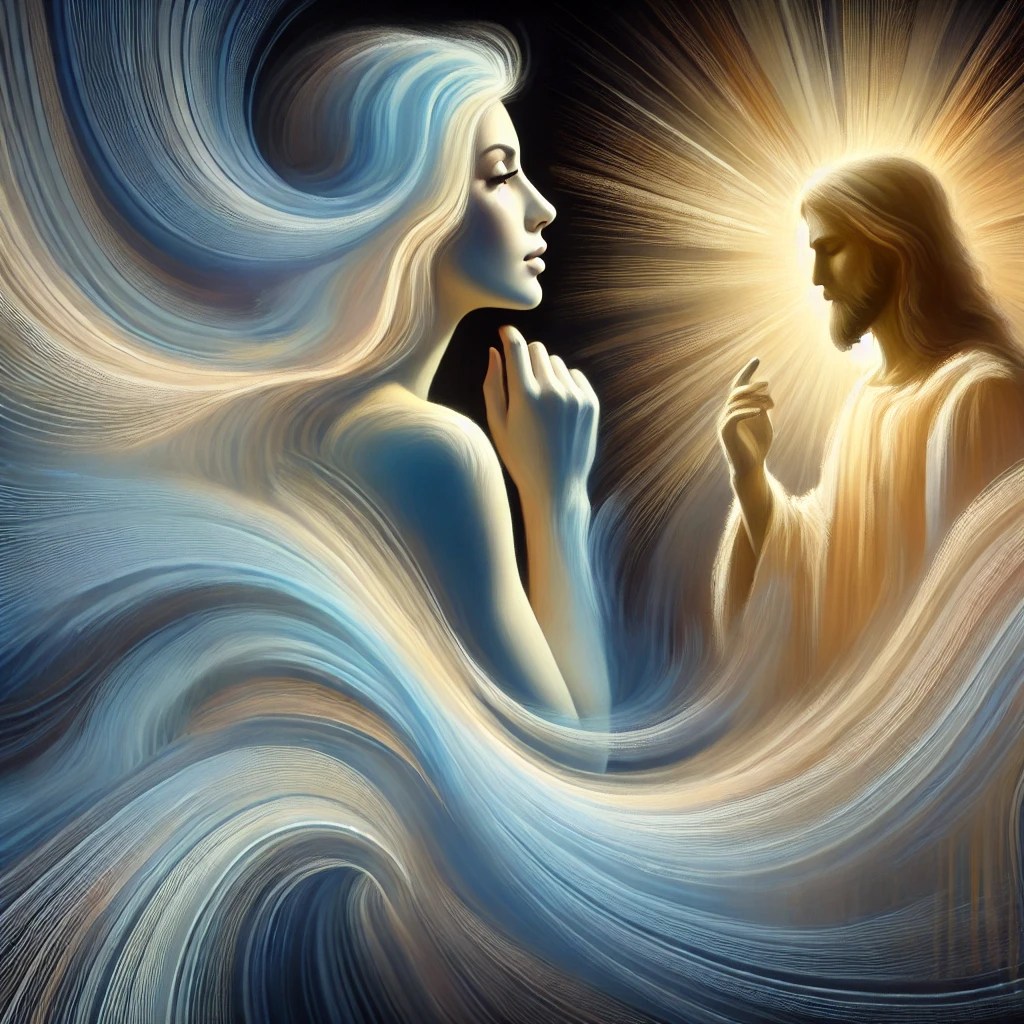
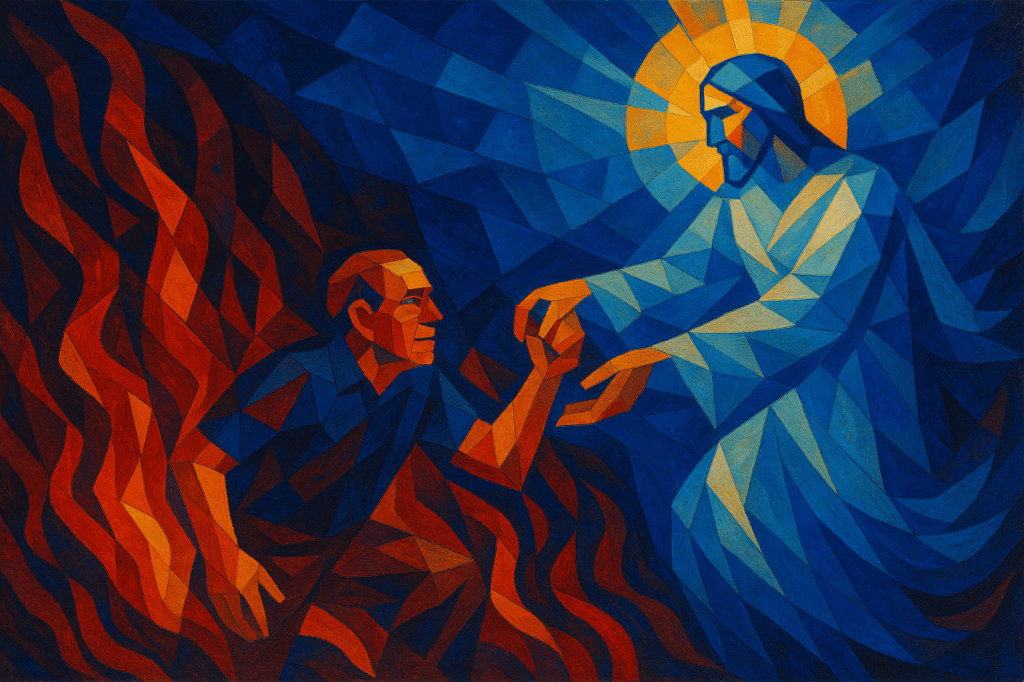
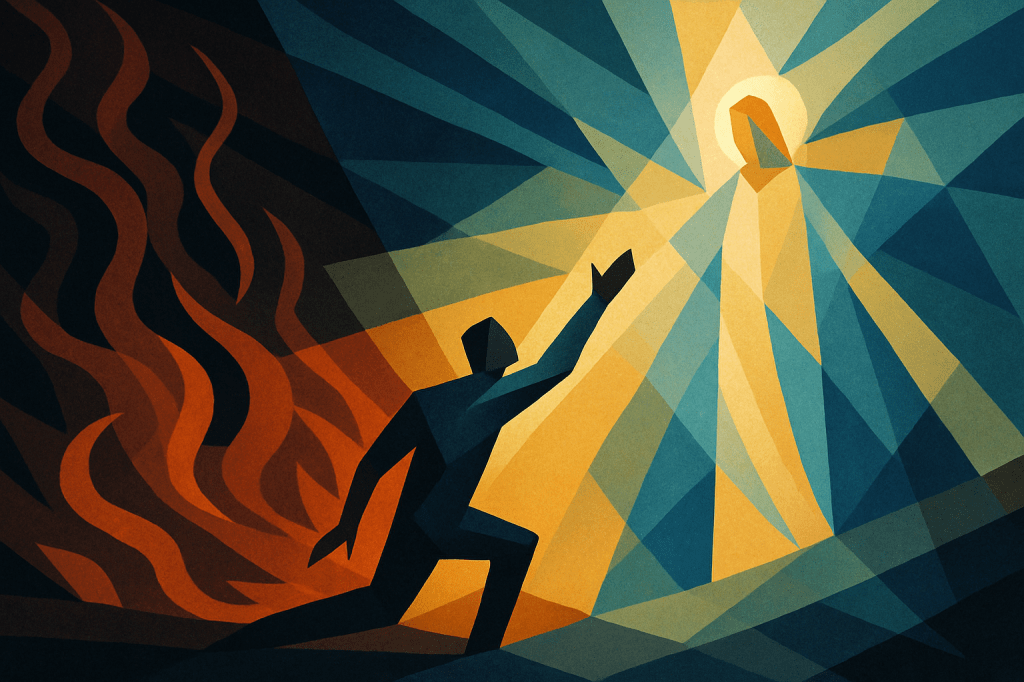
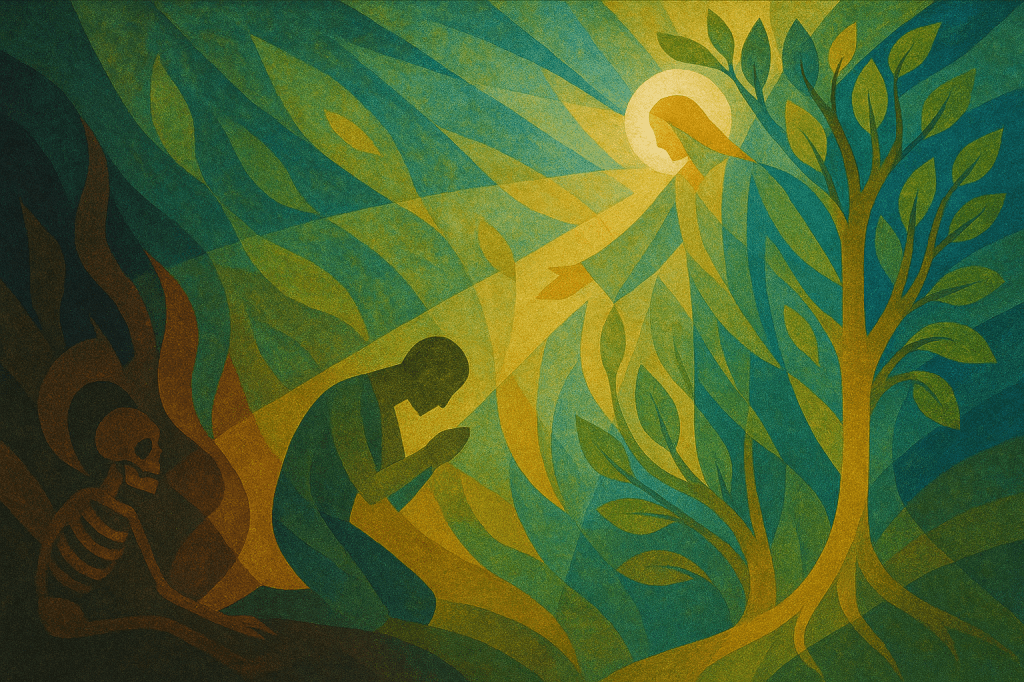
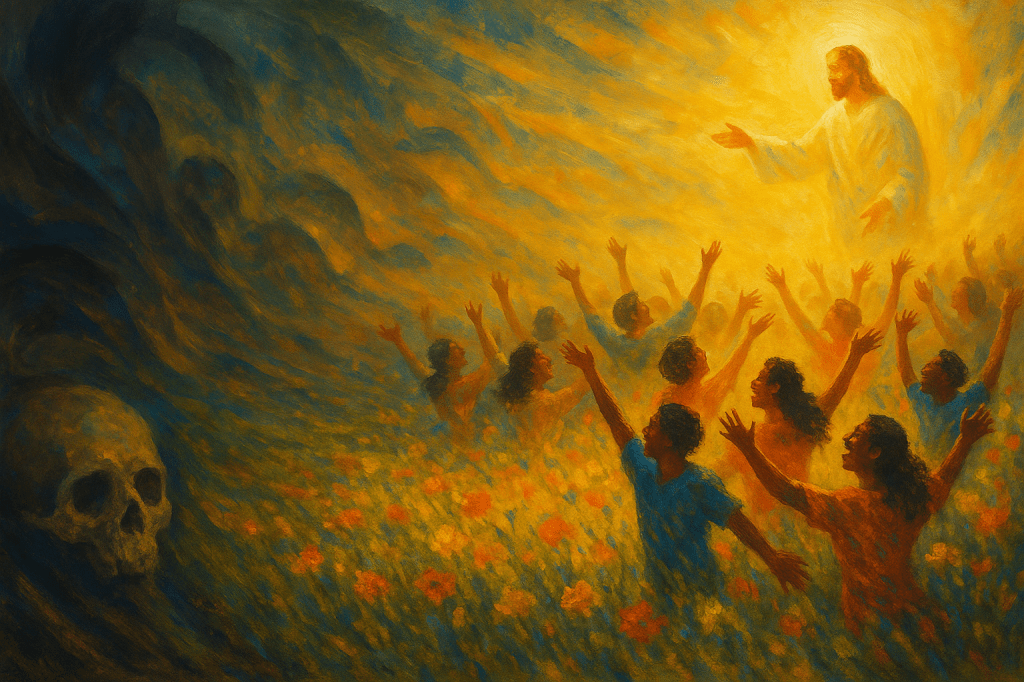
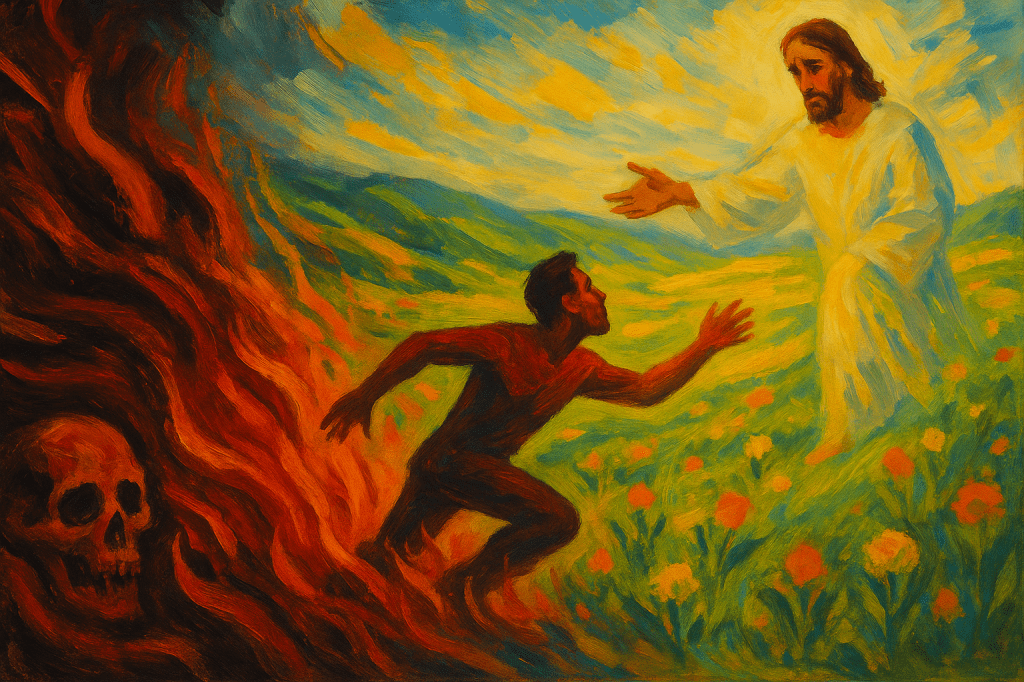
These images were created while I was learning the story—trying to see it whole, and to understand where I stood within it.

alongside Paul Eddy and Kevin Callahan, instructors in SEM (School of Everyday Mission).

Two seminal assignments marked our first year:
- to tell our life story
- to articulate what the Meta-Narrative meant to us.
For me, that required returning to the beginning of my faith—
asking not what I believed, but why I had begun to believe at all.
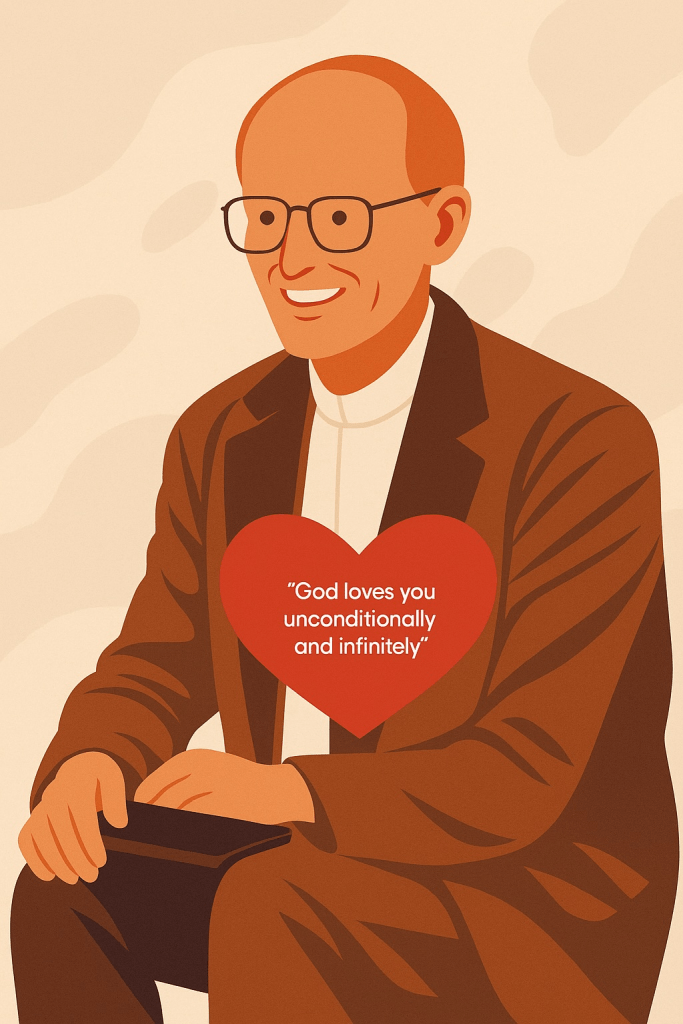
My Beginning…
In my sophomore year of college, I sought help for heartbreak.
My academic advisor met me there. He offered comfort—and something more.
He started me on the path toward believing in a God
I could actually believe in.
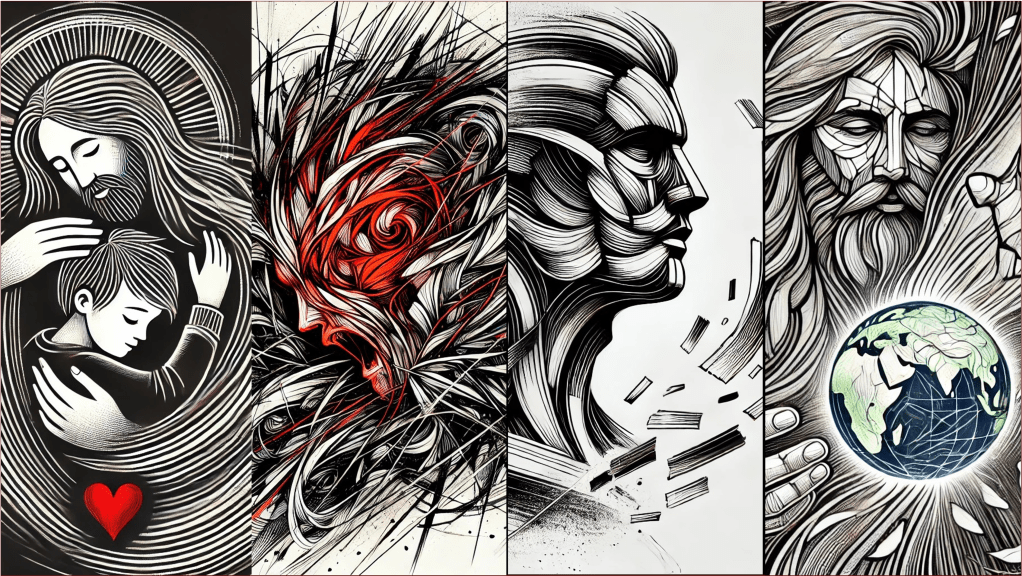
Since then I found my faith journey has had different periods
I also brought in some digging into myself – and my internal parts




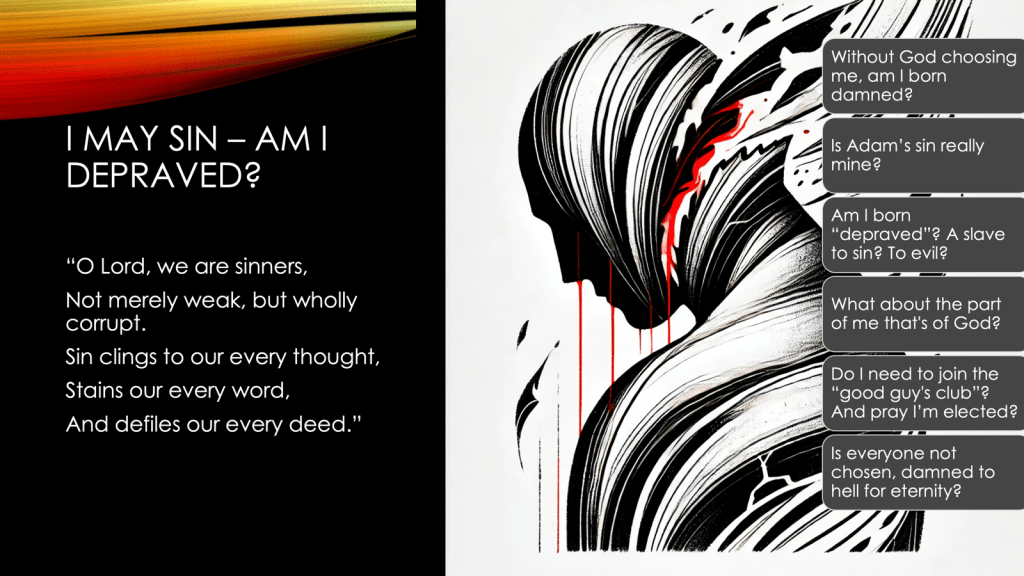
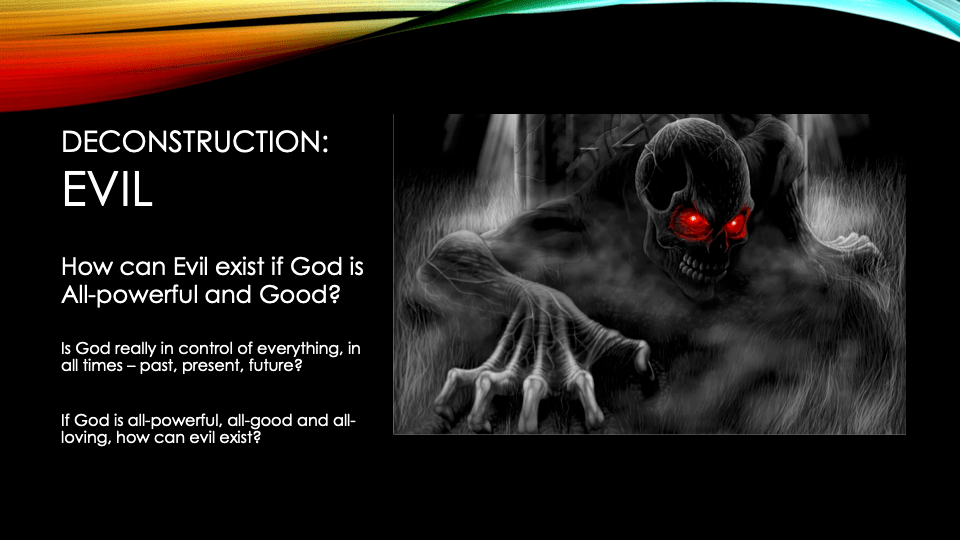
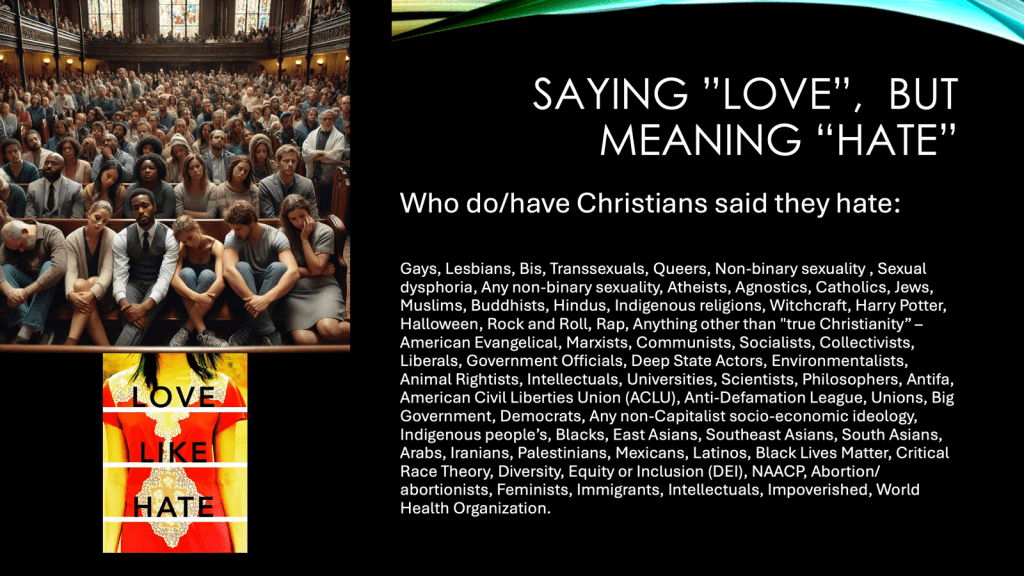
And I found four spiritual traumas – recently reinforced

Then the Meta-Narrative…
#1 In the beginning GOD – and God is love

#2 Existence was tohu vavohu (without form, and void)

And the earth was tohu vavohu (without form, and void) ; and darkness was upon the face of the deep.’
Genesis 1:2
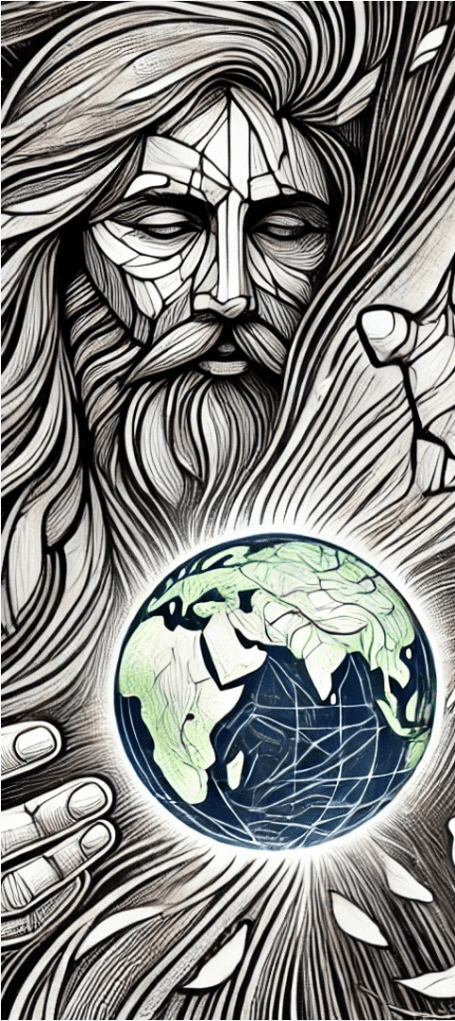
#3 God created the universe

#4 Including the earth
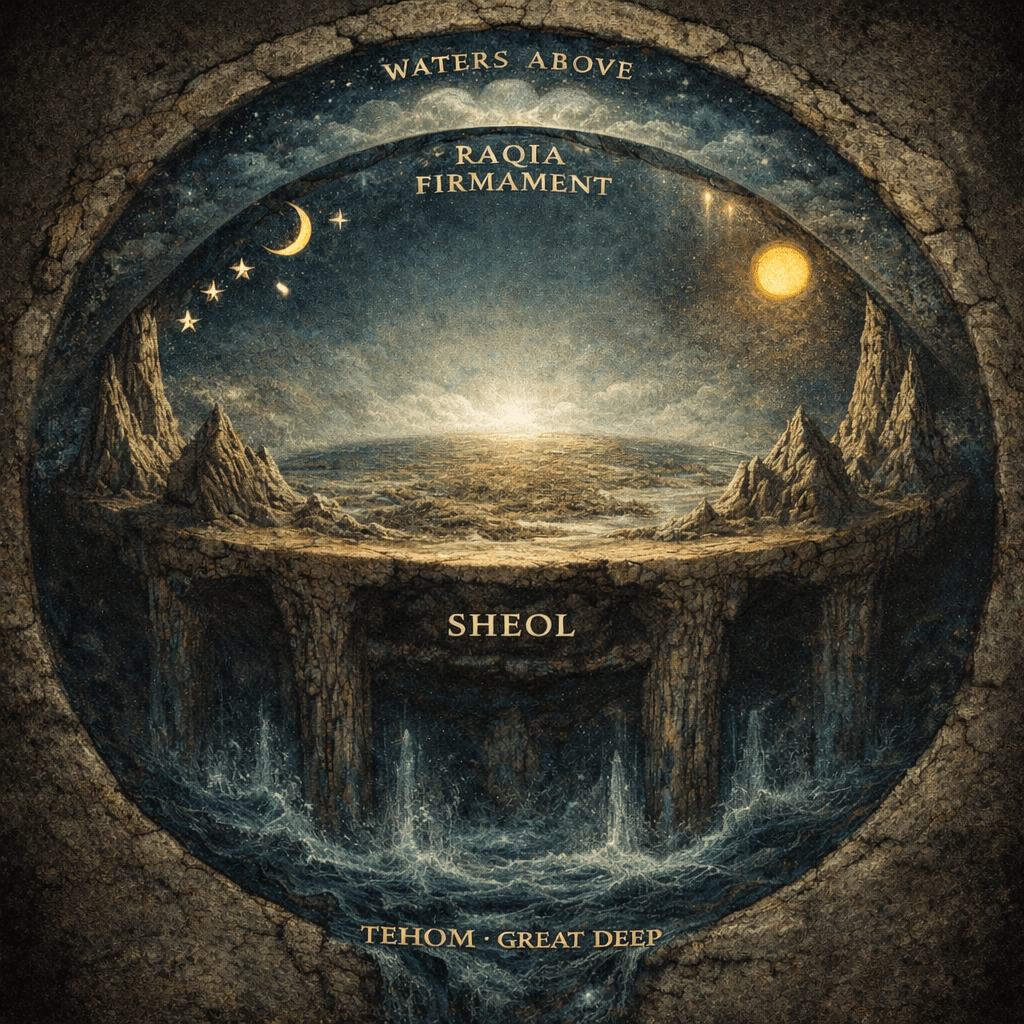

#5 God created all the creatures of the world.
God created humans in his image and likeness – to be the stewards of creation
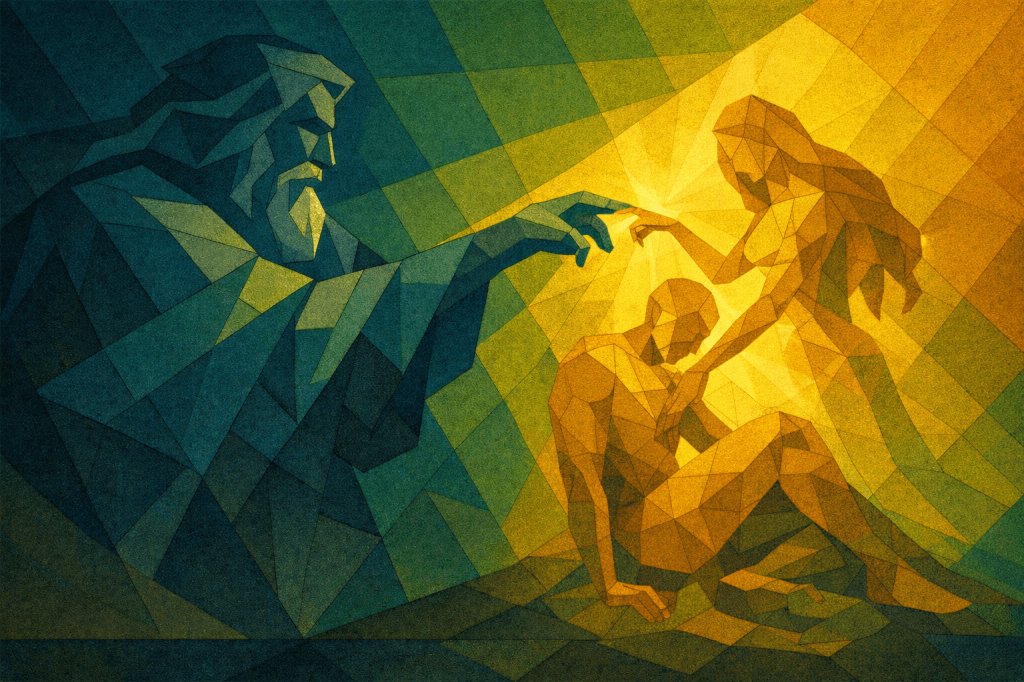
#8 God has given us Free Will

#9 God’s Power
God is over all and chooses to love rather than control or coerce.
The idea that God operates by rigidly controlling the world according to a divine blueprint is a distortion of his character.

False doctrine.
#10 But because of free will we and all other beings can chose good, or evil

Yetzer ha-tov (the inclination toward good) AND
Yetzer ha-ra (the inclination toward evil)
#11 Evil and Spiritual Warfare
Evil is real and distinct from God, and God stands opposed to it.
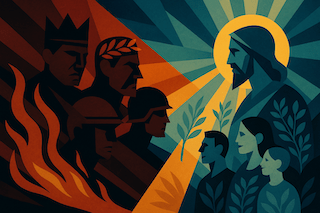
#12 Evil has infected the Church
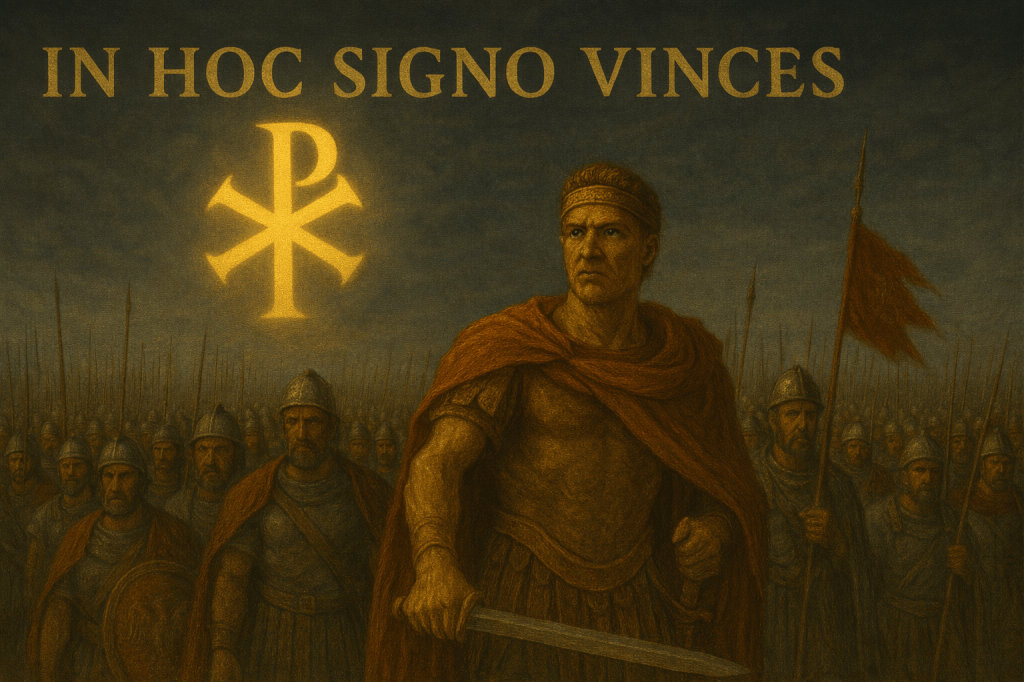
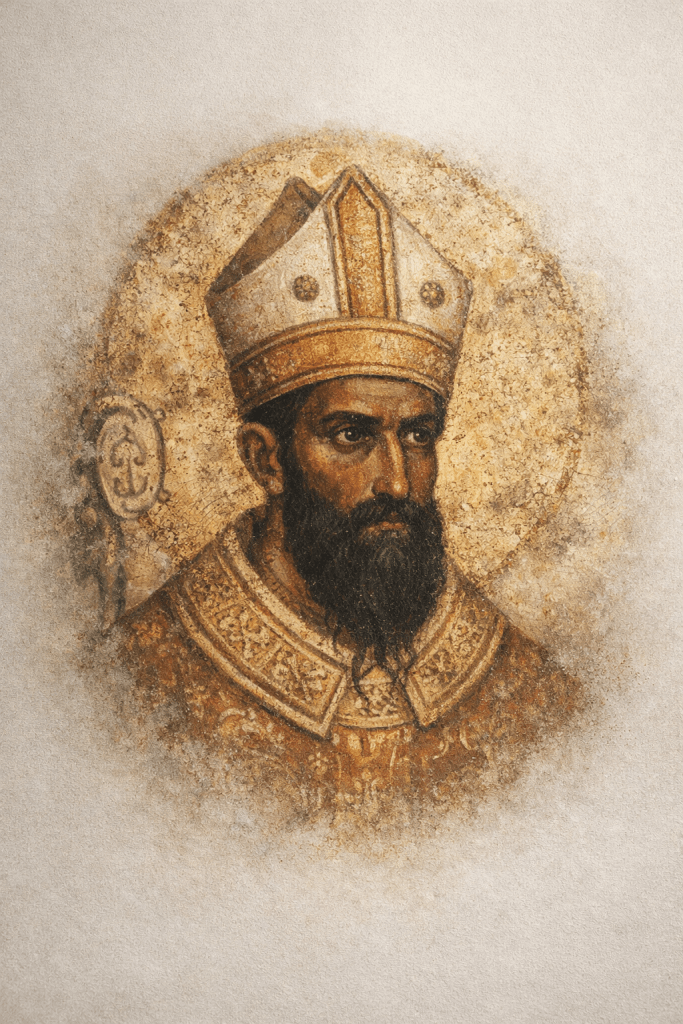
And so, Empire came and the Church..it’s never been the same
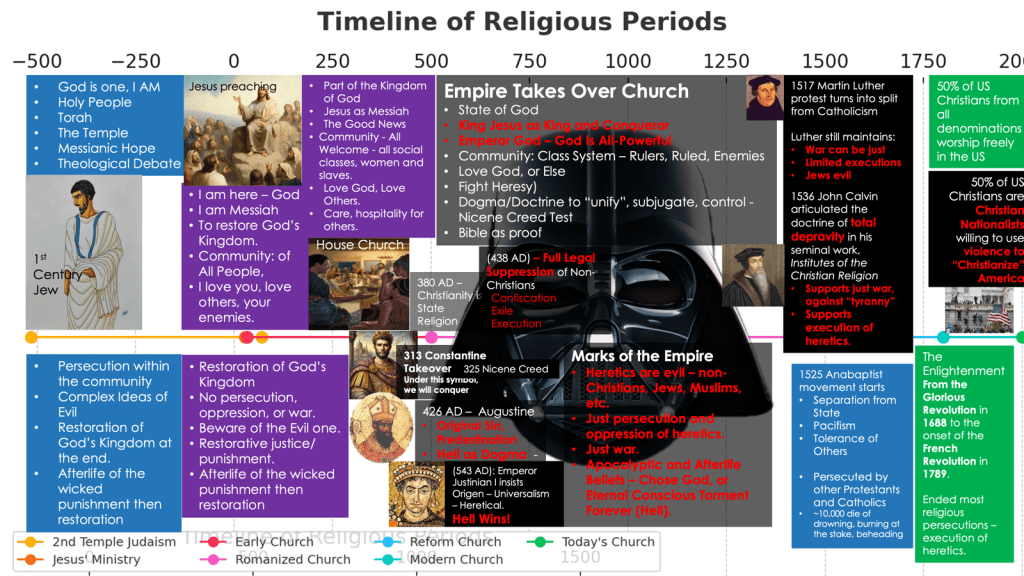


Since then, the church has often spoken Jesus’ name while operating in the ways of empire.
So, I had to go back in the Meta-Narrative…before the church became what it is
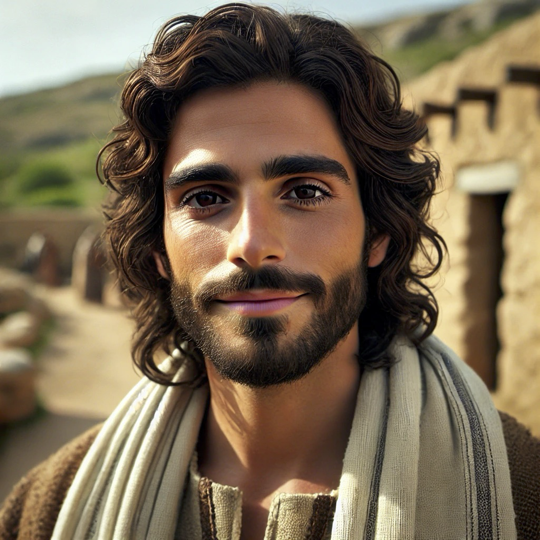
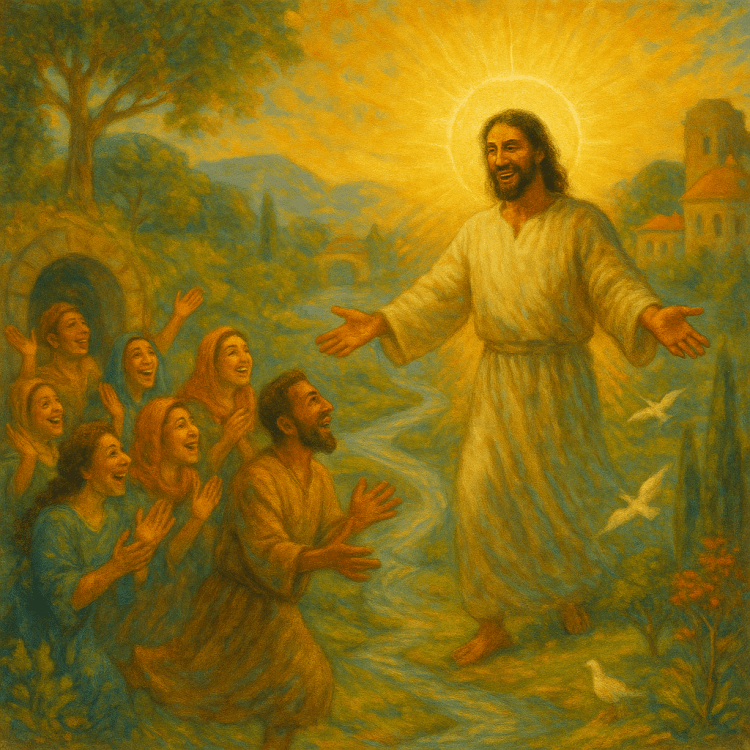
#13 Jesus-Centered – who is Jesus, what did he say? what did he do?
God incarnate – God most fully revealed to the world and humanity
#14 Ultimate sacrifice – death for life, our lives
Jesus loved us so much that he gave himself
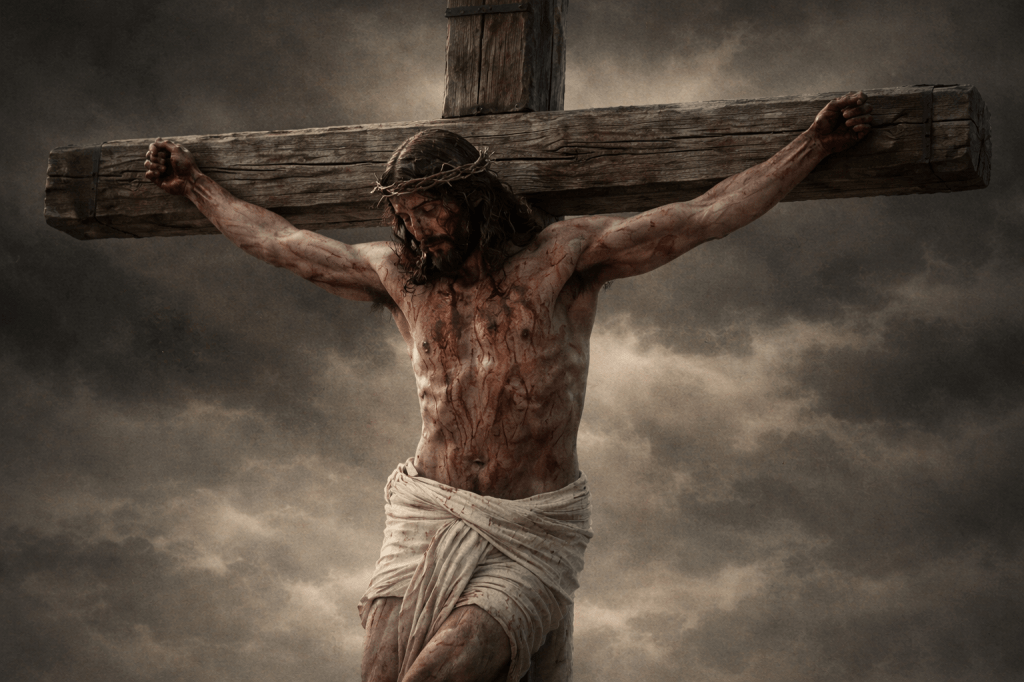
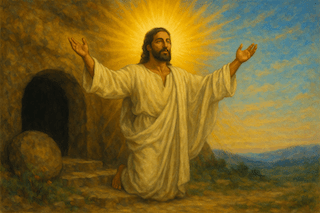
#15 Resurrection
After execution by empire, Jesus raised from the dead.
In his resurrection, God overcame death and exposed the power and distortion of evil.
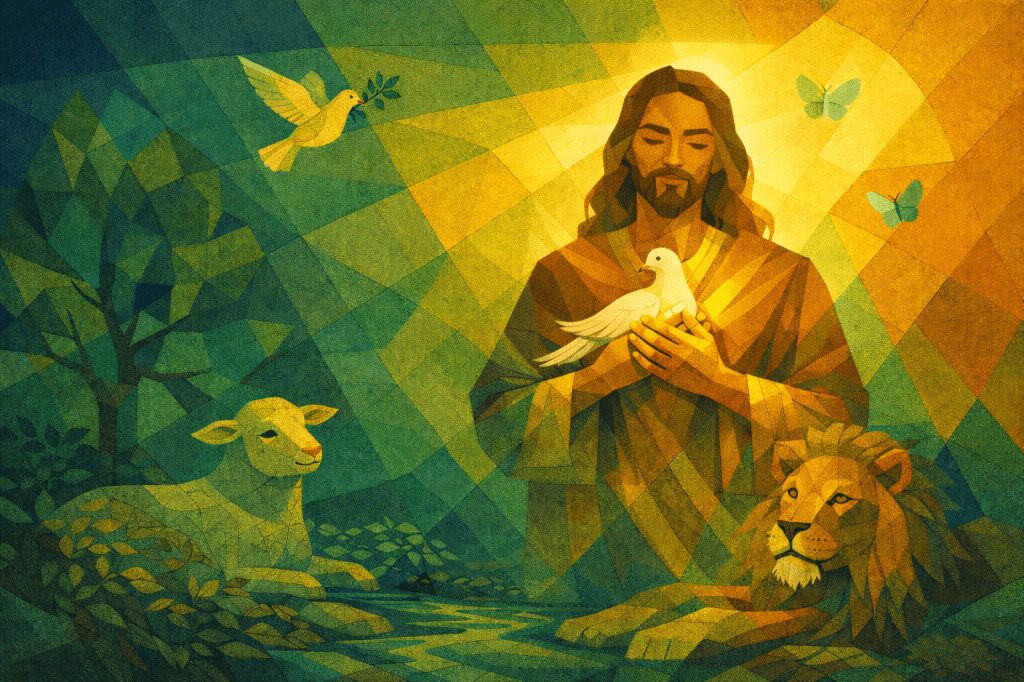
#16 Restoration
Jesus embodies love and restores the world toward shalom—marked by enemy-love, peace, and mishpat (justice).
#17 Rescue
God rescues us by inviting each person into forgiveness and freedom from evil’s deception.

#18 God’s Kingdom
God invites us to participate in his kingdom here and now.
#19 Covenants
God offers covenants—ways of life ordered toward flourishing.
Time and again, God’s people have failed to live into them.
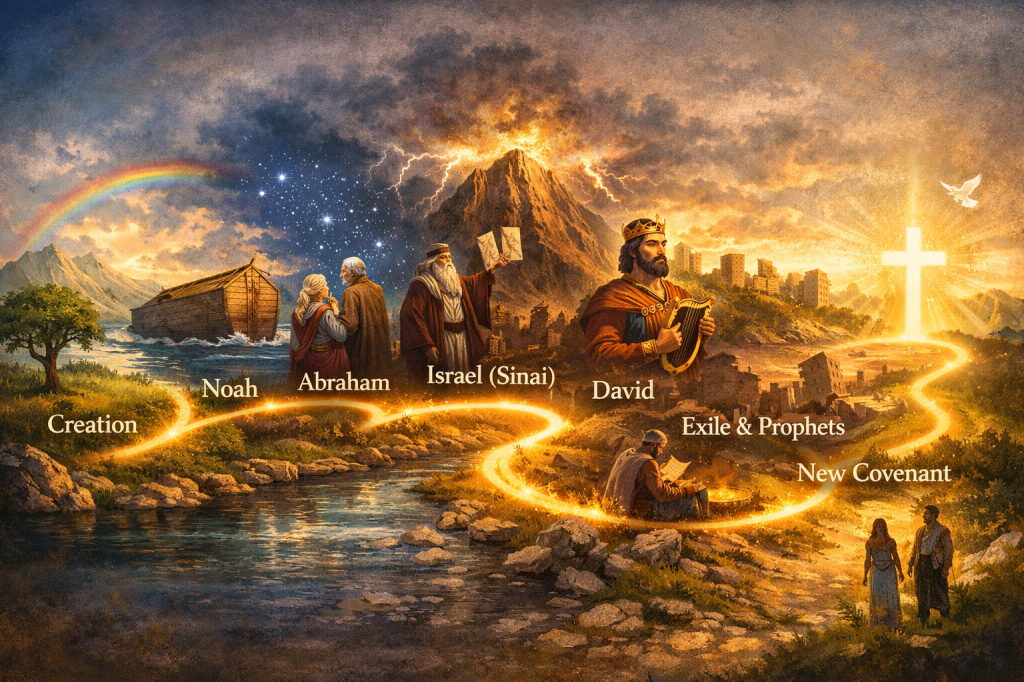
#20 The New Covenant
The New Covenant renews God’s commitment to humanity—restoring relationship and forming lives of love, justice, and shared flourishing.
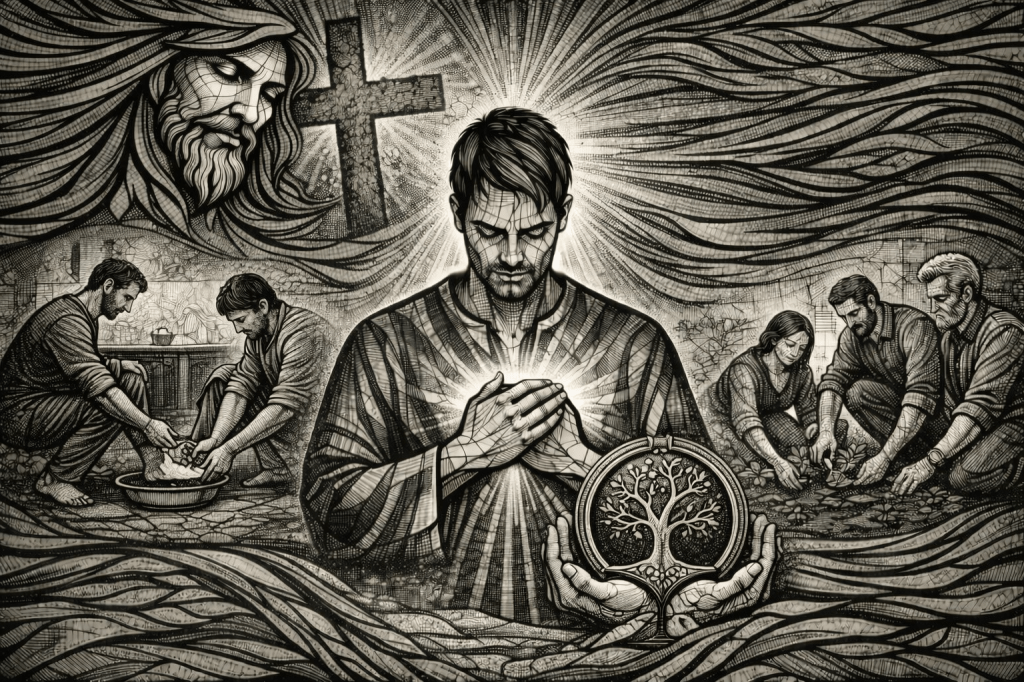
#21 Final Restoration
God will fully restore humanity and all creation.
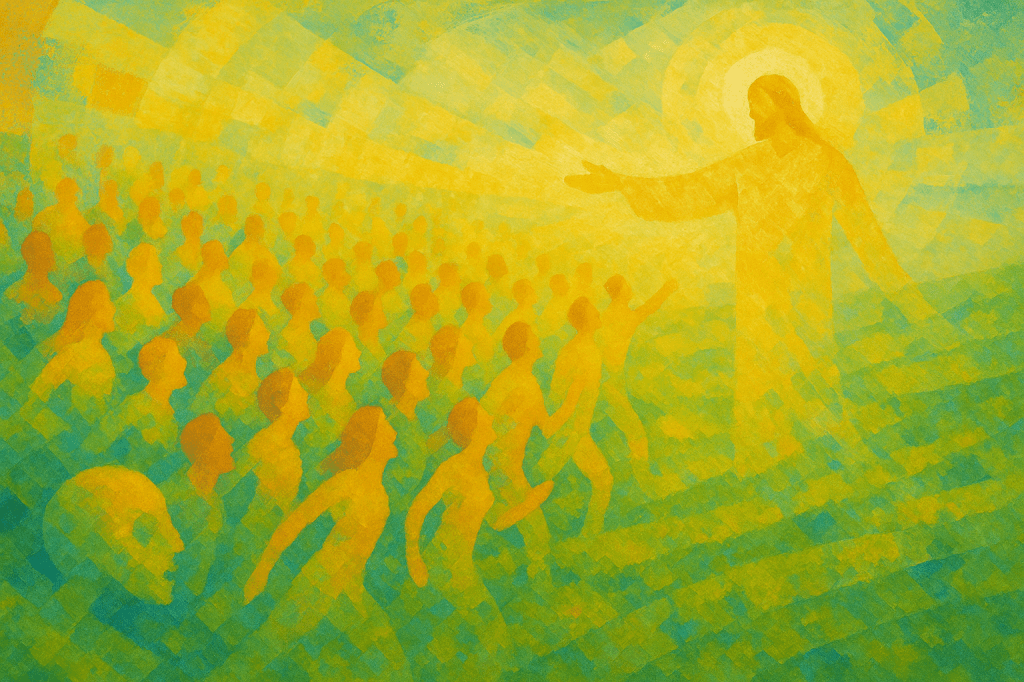
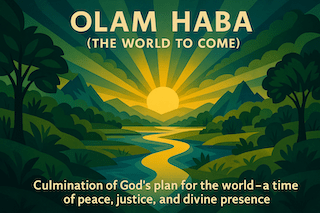
#22 God’s Full Restoration — Olam Haba (The World to Come)
God will restore the world to what it was always meant to be.
God is love
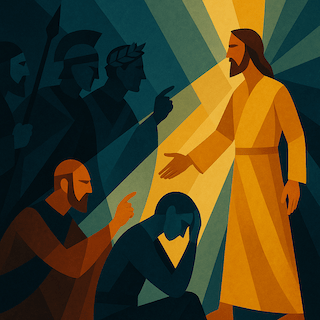
Stances toward God I’b taken in this season

 SeePhas