
A personal journey into how the frameworks we live inside shape human life – and whether they help us merely survive, or truly flourish.
Flourishing Is a Dangerous Word
“Flourishing” is an interesting word. Apply it to a plant or a garden and it feels ordinary. Apply it to humanity—or to creation itself—and suddenly it feels too big, too complex, too fragile. About fifteen years ago, during a period of serious illness that included fear, pain, and moments I can only describe as hallucinatory, this word began to matter to me. I heard what I now believe was God speaking to me. I know how that sounds. I know it risks making me look foolish. Still, the experience marked me, and the question it raised has never let me go.

A Longstanding Pull Toward Big Things
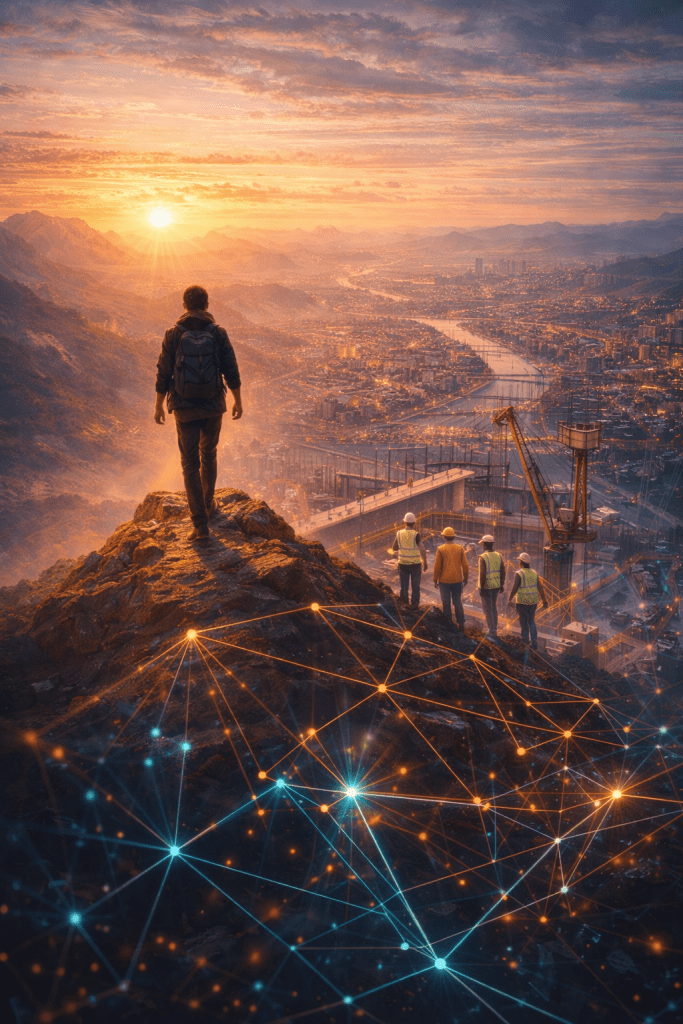
Even before that experience, I’ve been drawn to large-scale questions. From early in life, I believed that politics, government, policy, business, and technology could combine to shape socio-economic conditions that genuinely do good. I’ve never been satisfied with only personal improvement or small, isolated wins. Systems shape lives. If you care about people, eventually you have to care about systems.
The Advice to Scale Back
When I talk this way, people often respond with concern or skepticism. Who are you to think about things that big? That’s too hard. Focus on what’s right in front of you. Do what you can control.
I was once even told, “Why don’t you worry about things that will matter once you’re dead?”
Someone inevitably brings up the Serenity Prayer. The advice is usually sincere. It’s meant to protect me from disappointment, exhaustion, or arrogance. I’ve taken it seriously.

The Serenity Prayer Problem
The Serenity Prayer asks for serenity to accept the things I cannot change, courage to change the things I can, and wisdom to know the difference. The problem is not the prayer. The problem is how easily we decide—without much examination—that large-scale human suffering belongs in the “cannot change” category.
At what point did resignation start passing for wisdom?
God, grant me the serenity to accept the things I cannot change, the courage to change the things I can, and the wisdom to know the difference.
Reinhold Niebuhr, 1932
Why I Can’t Let This Go
I’ve tried to take this advice fully, and I can’t. I’ve spent time asking why. Part of it may be stubbornness. But part of it is experience. I have lived inside efforts where large-scale change was not only imagined, but recommended, implemented, and partially achieved. I’ve also seen ideas fail.
But the evidence remains: coordinated human effort can move the world in meaningful ways.
Experience With Systems That Changed Things
In the year 2000, the global consumer goods system already represented more than $15 trillion in annual economic activity—one of the largest coordinated systems humanity had ever built.
Transora was an industry-wide business-to-business initiative launched in 2000 to reinvent the consumer goods supply chain using the nascent internet. Backed by leading manufacturers, suppliers, and retailers, it aimed to standardize data, streamline transactions, and enable collaboration across the value chain.
Had Transora fully succeeded, it would have lowered prices and widened access for those with the least, reduced waste and environmental harm, and opened global supply networks to underserved communities.
At its peak, Transora involved over 100 global firms and raised about about $250 million ($450 million in today’s dollars).. Though the platform itself fell short, its core vision it helped shape the shared data standards and digital coordination that later became foundational to modern consumer supply-chain operations.
Enough was accomplished to know this kind of change was possible.


Transora (2000–2004)
Isn’t That Flourishing?
Wasn’t that progress—humans helping humans, enabling fruitfulness at scale?
Didn’t it contribute, in some small but real way, to human flourishing?
And if that’s true, doesn’t it suggest that more is possible?
Now, with the arrival of another technological leap—AI—that same imagination, action, and diligence are being called for again.
In medicine.
In housing.
In education.
In energy.
In lifting people from bare survival into stability, dignity, and opportunity.
History suggests it does.
A Proven Precedent at Scale
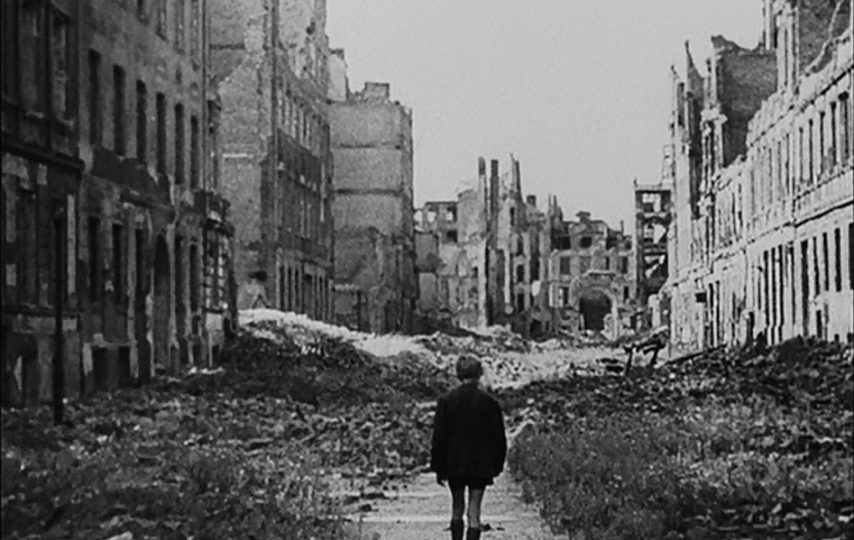
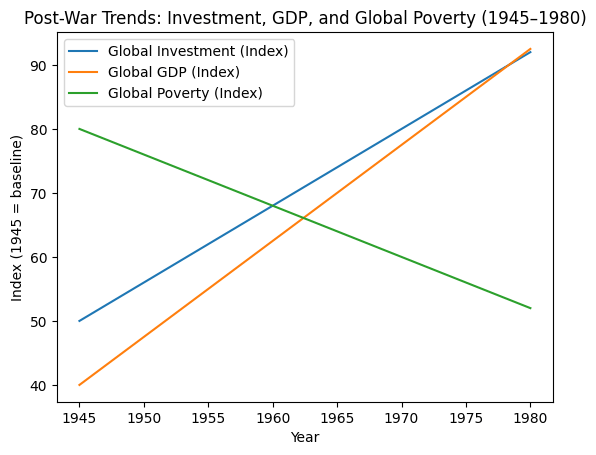
After World War II, coordinated socio-economic frameworks—rebuilding efforts, public investment, labor protections, education, infrastructure—produced the largest sustained reduction in poverty and expansion of human well-being the world has ever seen. This was not accidental. It was not inevitable. It was the result of people, institutions, and resources aligned toward shared human outcomes.
Faith, Not Hubris
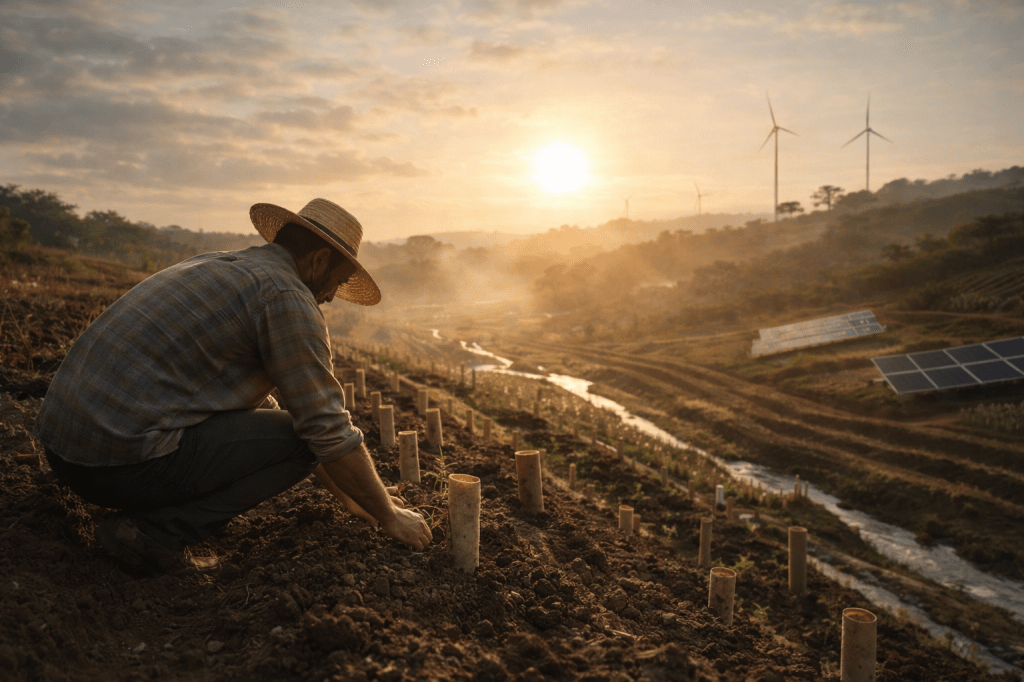
When I look at the challenges we face now—especially climate change, which many describe as the greatest existential threat humanity has ever faced—I do not hear a call to resignation.
I hear a call to responsibility.
If God works in the world, doesn’t He often do so through people?
Through minds, tools, cooperation, and courage? “Be fruitful” was not a command to retreat into private goodness.
It was a charge to participate in sustaining life.
Why This Journey Exists
So when people suggest I give this up—focus only on what’s directly in my control, or on what will matter after I’m gone—I can’t fully agree. I believe that part of what we are called to do is to ask whether the frameworks we live inside help life flourish or quietly diminish it.
This journey exists because that question still feels worth asking, and because I believe it is neither foolish nor faithless to ask it carefully, honestly, and at scale.
What Comes Next
The question of flourishing is too large to answer all at once.
What follows is not a conclusion, but a way of moving carefully—starting with experience, then grounding that experience in history, structure, and evidence.
These next sections reflect how I came to think about flourishing: first personally, then analytically, and finally comparatively. You can read them in order, or enter wherever the question feels most alive for you.
Understand how these questions emerged from lived experience — and how they might shape yours.

Learn the lenses that make flourishing understandable without reducing it – what metrics are important

From Big Ideas to Lived Outcomes
These sections define, help to assesses, and then provides analyses for flourishing across human domains, using real-world examples to examine what different beliefs and systems actually produce in human lives.
See where flourishing shows up—and where it breaks down—in real life.

Frameworks & Tools – >
Find ways to think well about tradeoffs, metrics, and decisions.

Reflections and Examples →
Encounter real situations where ideas meet consequence.

 SeePhas