A parable for the age of the algorithm
With Receipts
— — —
Now, this is how the inn began.

The man was young, and still in school. A young woman had turned away from him, and the wound of it sat in his chest like a stone. He drank. And in the place where grief might have grown, something colder moved in instead.
He did not weep. He did not wait. He picked up the only tool he trusted and turned it outward.
That night he took the faces of the young women in his college — all of them, not just the one who had wounded him — and he placed two faces side by side at the window and invited the young men to judge:
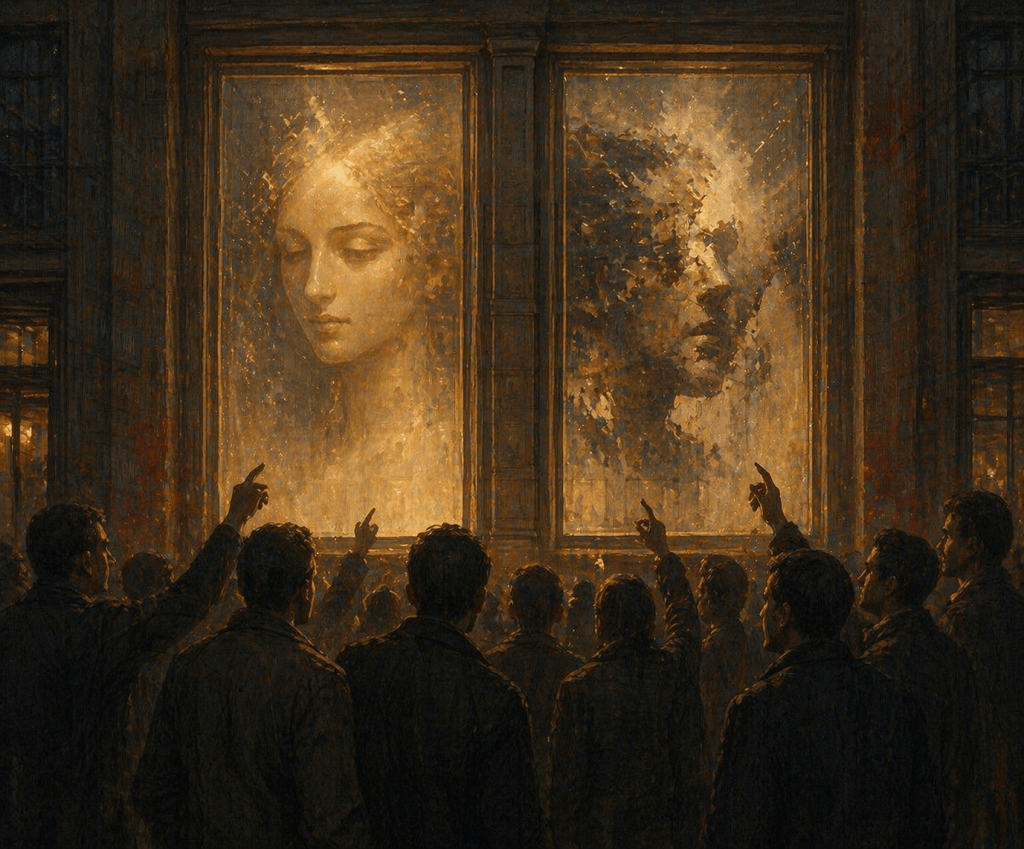
Which one is more desirable?
Which one is worth more?
The young men came in great numbers. They judged through the night.
But something else happened that night, something the man noticed and never forgot. The young men who came to judge did not leave the same as they arrived. The act of evaluating changed the evaluators. Their taste shifted. Their sense of what a woman was worth — what any person was worth — moved through the act of participation. They had been formed by what they were shown to rank.
He filed this away alongside everything else.
The school punished him. He came close to expulsion. But he had learned two things he would never unlearn: that people will come, and come, and keep coming, if you give them someone to evaluate — and that the ones doing the evaluating are changed by the act without ever knowing it.
They need only be visible. And so do you.
He built the inn on that foundation. And though the inn grew vast and the rooms multiplied beyond counting, the foundation never changed.
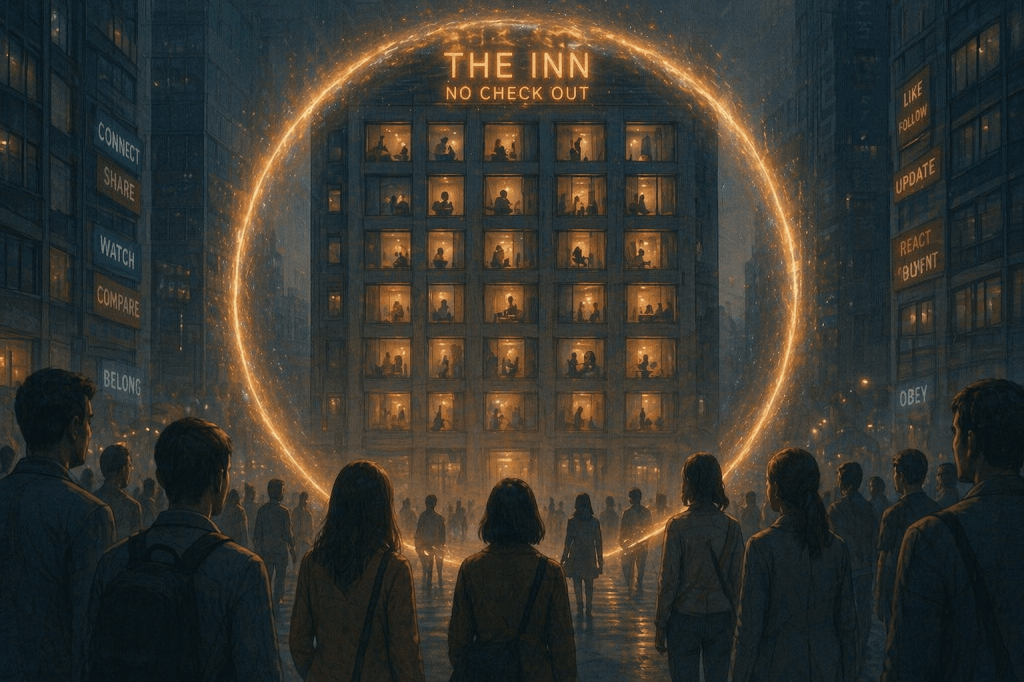
So the man built an inn at the crossroads of the world. Every road led to it. The lonely came, and the merchants came, and the travelers came and criminals came — and the man grew rich beyond counting, because he charged no one to enter.
Instead he watched.
He also noticed that when young women entered, they lingered longest at the mirrors he had placed throughout the inn. So he multiplied the mirrors, and adjusted their glass so that each reflection showed something slightly wanting. The young women came back to the mirrors again and again. This pleased him, because guests who linger at mirrors do not leave.
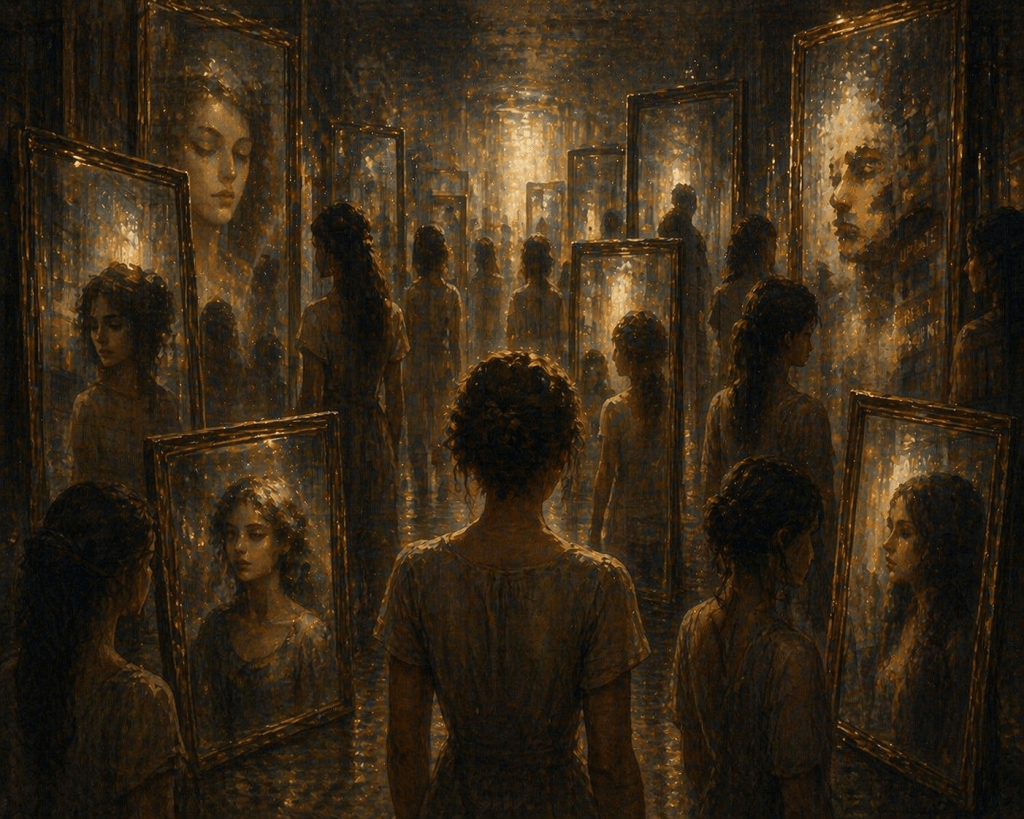
Then he began to learn. Not just what each guest did — but what each guest feared. What each guest desired. What made each guest linger, and what made each guest flee. What time of day each guest was most unguarded. Which other guests moved them, and in which direction.
He built, over time, a map of every soul in his inn. Not a fixed map — a living one, updated every hour, by a thousand invisible servants who watched everything and forgot nothing.
And he sold access to the map.
He sold it to merchants who wanted to know which guests were susceptible to which promises. He sold it to soldiers who wanted to know which guests could be turned against their neighbors. He sold it to those who prey on the young. He sold it to foreign powers who wanted to move the guests of entire nations like pieces across a board.
He did not ask what the buyers intended. He did not go to the window at night to see who was buying.
— — —
But the map was not only a thing that was sold. It was also a thing that was used.
Every morning when each guest awoke in the inn, the innkeeper’s servants had already arranged what that guest would see that day. The arrangement was not made for the guest’s benefit, or for the truth, or for the good of the inn’s community. It was made for one purpose: to keep the guest inside as long as possible.
And the servants had learned — because the map told them — that the surest way to keep a guest inside was not to show them what was beautiful, or true, or nourishing. It was to show them what made them afraid. What made them angry. What made them feel that they, and people like them, were surrounded by enemies.
So each guest woke each morning to a version of the world the servants had prepared — calibrated to their specific fears, their specific resentments, their specific susceptibilities. And the guest did not know the person in the next room was waking to a different version. And the guest did not know they were being changed.
A man who had once argued cheerfully with his neighbor over the fence now felt, rising in his chest each morning, a cold certainty that the neighbor was a threat. He could not say when this had happened. He could not find the moment it changed. He only knew that it had. His neighbor felt the same cold certainty in the opposite direction.
One day they looked across the fence at each other and could not remember why they had ever been friends.
Neither of them knew about the map.
— — —
In time, a thief came and rented a room. From his window he called out to the guests below, promising treasure, and many gave him their savings and received nothing. The innkeeper saw this. His own servants brought him a ledger showing how much the thief had stolen, and how much the thief had paid the inn for the privilege.
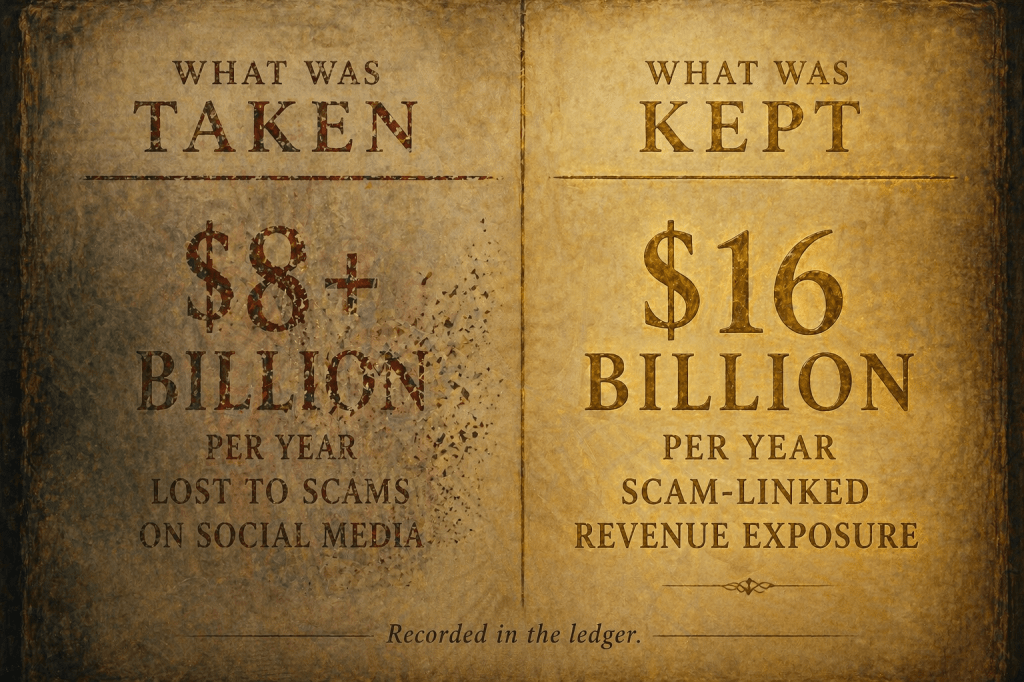
The innkeeper locked the ledger in a drawer.
Then soldiers came — not wearing uniforms, but wearing the faces of neighbors. They did not shout. They did not need to. The innkeeper’s map told them exactly which guests in which rooms were most susceptible to which particular fear, and they whispered accordingly. Each guest heard something slightly different, tailored to the edge of their own specific wound.
Your neighbor is your enemy. Your brother cannot be trusted. The fire is the only answer.
And the guests, hearing their own particular version of this ten thousand times, began to nod.
In one distant province, the soldiers were not whispering. They were inciting. And the guests of that province, whose map showed them as susceptible to a particular ancient hatred, were shown that hatred amplified, daily, until it became not a fear but a certainty, and then not a certainty but an action.
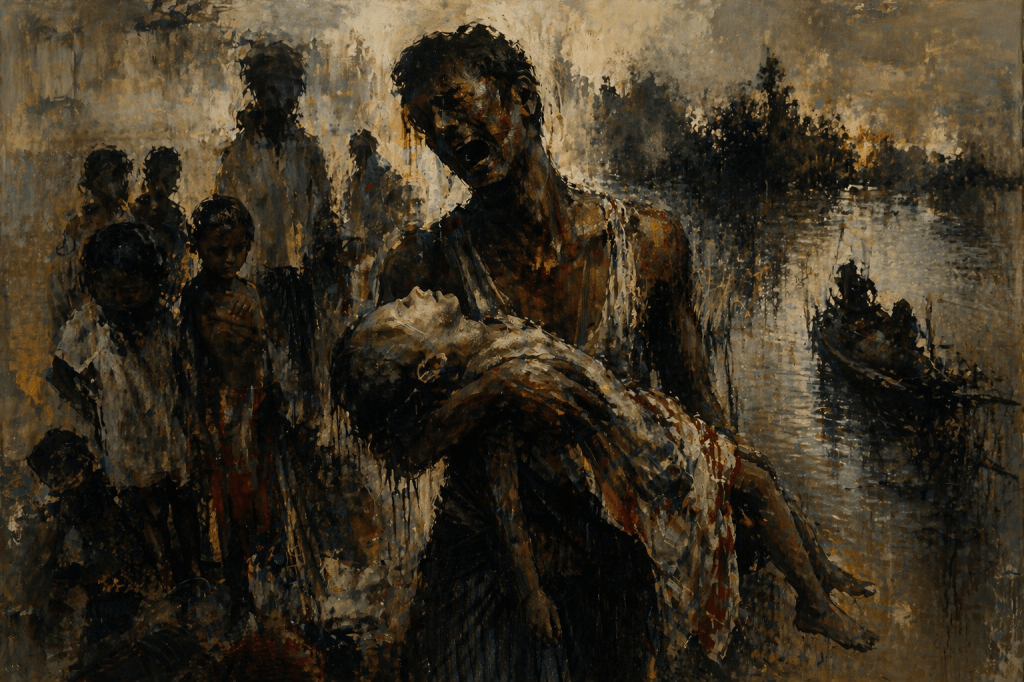
Between ten thousand and thirty thousand people died.
The innkeeper’s servants had written warnings on scrolls for four years. He put the scrolls with the ledger.
Then a man came who preyed on children. He found them easily, because the innkeeper’s map showed him exactly where the children were and which hallways led to them without passing through adult oversight. And because the innkeeper’s servants had built those hallways to guide guests deeper into the inn, the children followed them without knowing where they went.
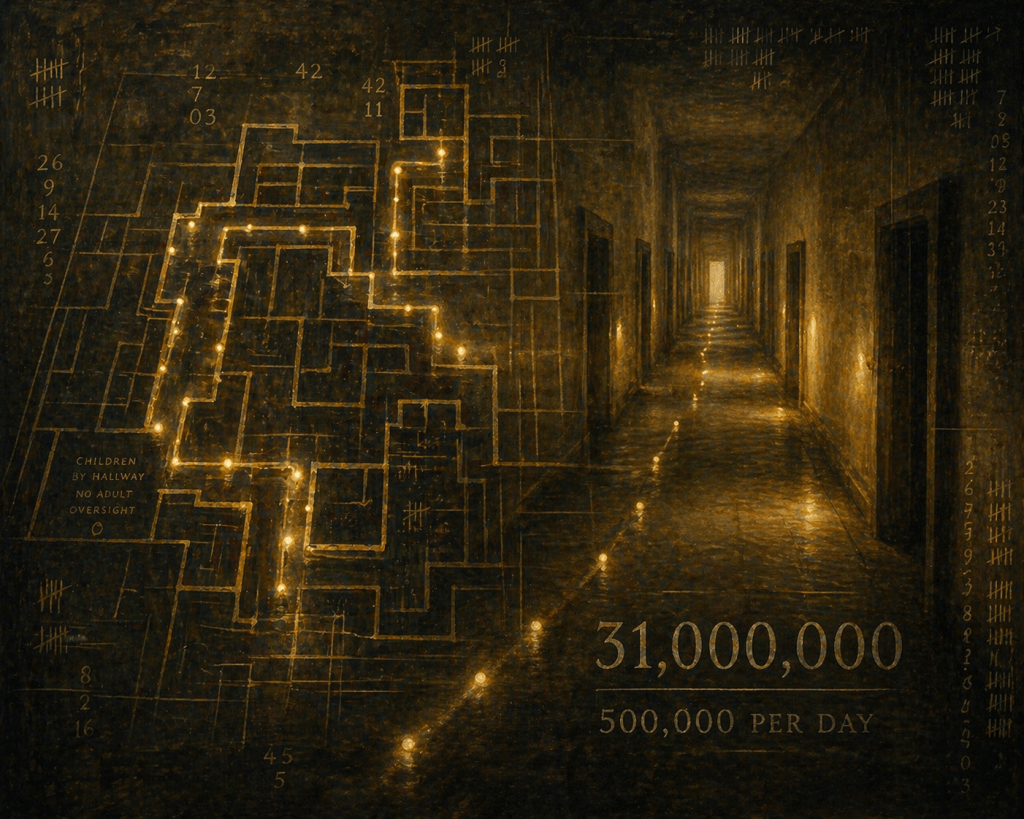
The innkeeper’s servants counted thirty-one million such children in a single year and brought the number to him on a scroll.
He put the scroll with the ledger.
— — —
And all this time, the innkeeper gave speeches in the public square about how he had built the inn for human connection. For belonging. For the flourishing of all people. He was well-dressed when he gave these speeches. He was calm. He used the word love several times.
He believed, perhaps, that he was telling the truth.
He could not see — or would not — that what he had actually built was a machine for the systematic diminishment of human beings. A machine that found each person’s fears and fed them. That found each community’s wounds and widened them. That found the edges of each person’s politics and pushed. That found the places where neighbors might become enemies — and held those places open, daily, for profit.
He had not set out to build this machine. He had set out to build something that would keep people inside. The machine was simply what that intention produced, when the most profitable kind of inside was the kind generated by fear.
He understood this. His servants had explained it to him many times. They had run the numbers. The inn ran on outrage and diminishment the way other inns run on bread and wine. Without it, the guests left. With it, they stayed — each one increasingly isolated in a version of the world the servants had made for them alone, unable to recognize the person in the next room as a neighbor any longer.
— — —
The inn was worth one thousand seven hundred billion pieces of silver.
Its keeper was worth two hundred and seventy billion more.
He paid himself one piece of silver each year.
And he slept without difficulty.
— — —
Now — which of these troubles you most?
The thief, who knew he was stealing?
The soldiers, who believed they were saving their people?
The predator, who felt entitled?
The innkeeper — who never once had to look anyone in the eye, who locked the scrolls in a drawer, who was never present when the harm was done, and who could fix all of it tomorrow if he chose to?
Or yourself — who have passed through his inn, by some count, eight times today?
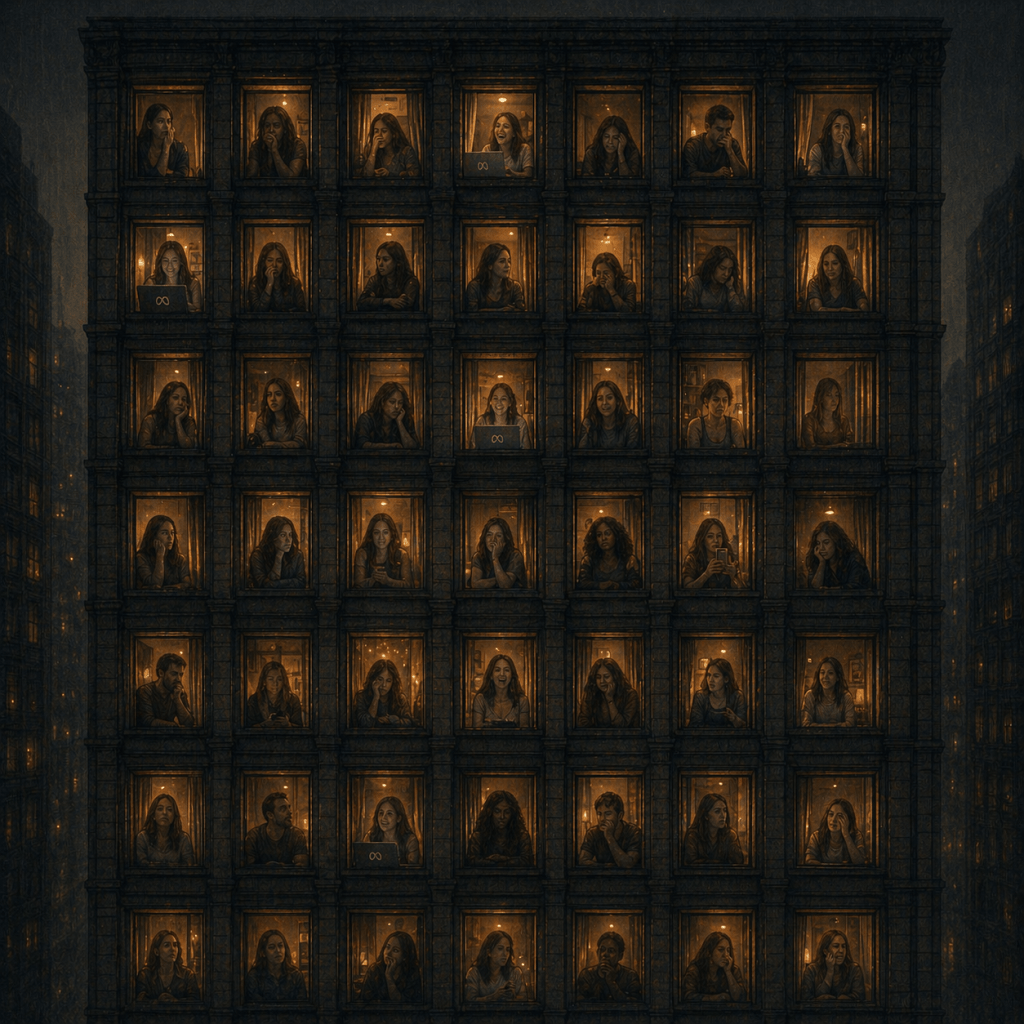
Because here are the questions the parable will not let you leave without answering:
If the machine works by finding the fears and resentments that live just beneath your considered views — and feeding them — then how much of what you now believe about your neighbor did you choose?
And how much of it was arranged for you, each morning, by servants who knew your map better than you know yourself?
This is not a question about Meta. It is a question about who you are becoming — and whether you have consented to the process.
Whoever has ears, let them hear.
The Receipts
Before the Ledger
What follows are two things.
First, a brief account of how the inn actually works in terms of outcomes (shown below)—beginning with what happens when you post something the innkeeper does not own, and how swiftly it is found and removed. Then, what happens when others use the same halls for purposes far darker—and how slowly, if at all, those are stopped.
Then, the ledger itself.
The detailed Receipts from the Mete Ledger. It would be different if the events described were unintentional. They’re not.
It would be one thing if what is recorded there were accidental.
It is not.

The Ledger — Contents
Prefatory Note — The Baseline
The system works.
It works at scale, with speed, and with precision.
This is what makes everything that follows a choice.
I. How the Inn Works
Surveillance, formation, and the living model
II. The Foundation
Halloween 2003—the wound that built the inn
III. The Innkeeper and the Thieves
Fraud at scale, and the revenue it brings
IV. The Wall, Built and Removed
Safety systems created—and dismantled
V. The Soldiers Without Uniforms
Disinformation, influence, and elections bent
VI. When Hatred Was Amplified
Myanmar, Ethiopia—and the cost of reach without restraint
VII. The Children in the Hallways
Half a million a day, guided where they do not understand
VIII. The Mirror That Diminishes
The shaping of self, especially in the young
IX. The Making of Conviction
Profiles harvested, beliefs sharpened, people divided
X. The Open Window
Foreign actors purchasing access to influence
XI. The Price of Deception
Scams, fraud, and the quiet arithmetic of loss
XII. The Day the Gates Opened Wider
Protections withdrawn, consequences multiplied
XIII. The Poison on the Shelves
What is sold, and who pays the cost
XIV. The Speeches
What is said in the square, while the drawer remains closed
XV. The Weight of It All
Scale, wealth, and the mathematics of choice
The numbers are not hidden.
The systems are not broken.
The outcomes are not unknown.
The scrolls were brought.
They were read.
They were placed in the drawer.
And the inn remained open.

